Microwave ablation is a minimally invasive treatment option that may be considered for selected women with uterine fibroids. It is designed to target fibroid tissue with heat energy while preserving the uterus, with the goal of improving symptoms and recovery time.
Uterine fibroids are non-cancerous growths that develop in or around the uterus. Some women have no symptoms, while others may experience heavy periods, pelvic pressure, bloating, backache, frequent urination, pain during menstruation, or difficulty conceiving.
Fibroids can affect the uterine cavity or muscle wall, leading to heavier and longer menstrual bleeding.
Larger fibroids may cause abdominal distension, pelvic heaviness, or pressure on surrounding organs.
Fibroids near the front of the uterus can press against the bladder and increase urinary frequency.
Depending on their location and size, some fibroids may interfere with implantation or pregnancy outcomes.
Microwave ablation uses controlled heat energy to treat targeted fibroid tissue. Over time, the treated fibroid shrinks as the body gradually reabsorbs the damaged tissue.
Ultrasound and clinical evaluation are used to assess the fibroid size, number, position, and symptom pattern.
A microwave probe is placed into the fibroid under image guidance to deliver focused thermal energy.
Patients usually expect a shorter recovery pathway than traditional open surgery, depending on complexity and individual health factors.
Not every fibroid is best treated with microwave ablation. Depending on the number, size, location, fertility plans, or the presence of adenomyosis or other conditions, alternatives such as medication, hysteroscopic treatment, laparoscopic myomectomy, or hysterectomy may be more appropriate.
A complete consultation typically includes your symptoms, scan findings, menstrual history, fertility plans, prior treatments, and whether your case is best managed through a minimally invasive route. The final recommendation should always be individualized.
The right treatment depends on your symptoms, scans, age, fertility plans, and personal preference.
It is a minimally invasive fibroid treatment that uses heat energy rather than removing the fibroid through a traditional open operation. Whether it is appropriate depends on your case.
Yes. One of its main advantages is that it is designed as a uterus-preserving treatment option for selected patients.
No. Fibroid size, number, location, symptoms, and fertility goals all influence whether MWA, myomectomy, medication, or another treatment is more suitable.
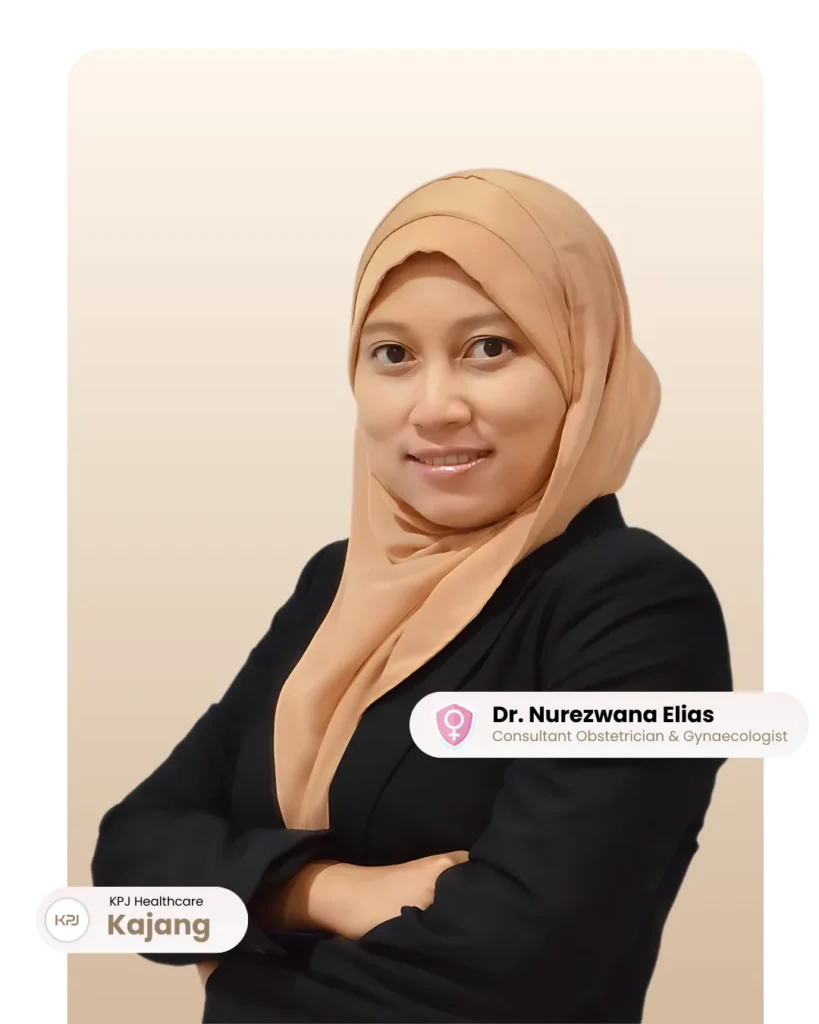
A detailed review with Dr Nurezwana is the best place to start. Your scan results, symptoms, and future pregnancy plans are important in deciding the most appropriate approach.
Taking charge of your health starts here. Dr. Ezwana Elias is ready to provide expert care tailored to your needs
Monday – Friday: 9AM – 5PM
Saturday: 9AM – 1PM
Sunday & Public Holidays: Closed
Microwave ablation is a minimally invasive treatment option that may be considered for selected women with uterine fibroids.

A thorough evaluation and treatment to manage fibroids, relieve symptoms, and improve fertility using minimally invasive techniques.

A surgical technique using small incisions for faster recovery, less pain, and minimal scarring.

A minimally invasive procedure to diagnose and remove ovarian cysts, relieve symptoms, and rule out serious conditions.

A quick, minimally invasive procedure to remove uterine polyps, relieve abnormal bleeding, and improve fertility.

A comprehensive approach to diagnosing and treating endometriosis, relieving pain, and improving fertility through advanced laparoscopic surgery.
Dr. Ezwana Elias is a highly skilled Consultant Obstetrician & Gynaecologist specializing in minimally invasive gynaecological surgery (MIGS) and high-risk pregnancy management. With years of experience and advanced training, she provides patient-centered, compassionate care, ensuring the best outcomes for every woman. Whether it’s routine gynaecology, complex surgery, or maternity care, Dr. Ezwana is committed to excellence in women’s health.

Dr. Ezwana Elias is a highly experienced Gynecologist and Minimally Invasive Gynaecological (Laparoscopy) surgeon.
WhatsApp us