...
Our Services

Endometriosis

A comprehensive approach to diagnosing and treating endometriosis, relieving pain, and improving fertility through advanced laparoscopic surgery.

Expert Diagnosis and Minimally Invasive Treatment for Endometriosis: Comprehensive Care at Dr. Ezwana Clinic, Led by Consultant Obstetrician & Gynecologist Dr. Ezwana Elias

At Dr. Ezwana Clinic, under the expert guidance of Consultant Obstetrician & Gynecologist Dr. Ezwana Elias, we offer comprehensive and compassionate care for women experiencing endometriosis. Endometriosis is a common condition in which tissue similar to the lining of the uterus, known as the endometrium, grows outside the uterus. This misplaced endometrial tissue can be found on the ovaries, fallopian tubes, and other areas within the pelvis. Each month, this tissue responds to the cyclical hormonal changes of the menstrual cycle, just as the tissue inside the uterus does. This leads to inflammation, the formation of scar tissue (adhesions), and often significant pain.

How Endometriosis Affects the Body

Endometriosis can manifest in a variety of ways, and the severity of symptoms can differ greatly among individuals. Common symptoms associated with endometriosis include:

  • Painful Periods That Interfere with Daily Life: Many women with endometriosis experience severe menstrual cramps (dysmenorrhea) that can be debilitating and disrupt their ability to perform daily activities.
  • Pelvic Pain That Worsens Over Time: Chronic pelvic pain, which may or may not be directly linked to the menstrual cycle, is another common symptom. This pain can be persistent and may gradually worsen over time if the endometriosis is left untreated.
  • Pain During Sex, Bowel Movements, or Urination: Endometrial implants in certain locations can cause pain during sexual intercourse (dyspareunia), during bowel movements (especially during menstruation), or when urinating.
  • Difficulty Getting Pregnant Due to Scarring or Blocked Fallopian Tubes: Endometriosis can lead to scarring and adhesions within the pelvis, which can distort the pelvic anatomy, block the fallopian tubes, and interfere with the process of fertilization and implantation, potentially causing infertility.

Who Is at Risk for Endometriosis?

Endometriosis is a relatively common condition, affecting approximately 1 in 10 women of reproductive age. While symptoms can begin as early as the teenage years, the condition often persists until menopause. It’s important to note that while endometriosis symptoms typically improve after menopause due to the decline in hormone levels, they can worsen over time if not appropriately managed during a woman’s reproductive years.

Several factors may increase a woman’s risk of developing endometriosis, including:

  • A Family History of Endometriosis: Having a mother, sister, or aunt with endometriosis increases your likelihood of developing the condition, suggesting a possible genetic component.
  • Irregular Menstrual Cycles or Early Onset of Periods: Women with shorter menstrual cycles, longer periods, or who started menstruating at an early age may have a slightly increased risk.
  • Hormonal Imbalances That May Promote Tissue Growth: While the exact cause of endometriosis is not fully understood, hormonal imbalances are believed to play a role in the growth and development of endometrial tissue outside the uterus.

How Is Endometriosis Diagnosed at Dr. Ezwana Clinic?

Diagnosing endometriosis can sometimes be challenging because its symptoms can overlap with those of other pelvic conditions. At Dr. Ezwana Clinic, Dr. Ezwana Elias utilizes a thorough approach to diagnosis, which may include:1

  • Pelvic Exam: A physical examination allows the doctor to check for any abnormalities or tenderness in the pelvic area that may suggest endometriosis.
  • Ultrasound Scan: While standard ultrasound may not always visualize endometriosis implants, it can be helpful in detecting ovarian cysts that are associated with endometriosis, known as endometriomas or “chocolate cysts.”
  • Sonovaginography: This is a specialized ultrasound technique that may be used to assess the involvement of the bowel in cases where symptoms suggest deep infiltrating endometriosis, a more severe form of the condition.
  • Laparoscopy (Keyhole Surgery): Laparoscopy is considered the gold standard for definitively diagnosing and treating endometriosis. This minimally invasive surgical procedure allows Dr. Ezwana Elias to directly visualize the pelvic organs through small incisions and identify any endometrial implants. During the laparoscopy, biopsies can be taken for confirmation, and often, the endometriosis can be treated at the same time.

Treatment Options for Endometriosis at Dr. Ezwana Clinic

While there is currently no permanent cure for endometriosis, there are highly effective treatments available at Dr. Ezwana Clinic that can significantly relieve symptoms, improve fertility, and enhance your overall quality of life. Our treatment strategies typically involve one or both of the following approaches:

1️⃣ Medications for Symptom Relief

  • Pain Relievers (NSAIDs): Nonsteroidal anti-inflammatory drugs (NSAIDs) can help to reduce the pain and inflammation associated with endometriosis, providing relief from menstrual cramps and pelvic pain.
  • Hormonal Therapy: Various hormonal medications, such as birth control pills, progestins, and gonadotropin-releasing hormone (GnRH) agonists, can suppress the activity of the endometriosis tissue, reducing pain and slowing its growth. However, hormonal therapy typically prevents ovulation and is therefore not suitable for women who are actively trying to conceive.

2️⃣ Laparoscopic Surgery – The Most Effective Treatment at Dr. Ezwana Clinic

  • Removes Visible Endometriosis: Laparoscopic surgery is often the most effective treatment for endometriosis as it allows for the direct removal or ablation (destruction) of the visible endometrial implants, which can significantly reduce pain and improve fertility outcomes.
  • Helps Restore Normal Pelvic Anatomy: During surgery, Dr. Ezwana Elias can also remove scar tissue and adhesions caused by endometriosis, helping to restore the normal anatomy of the pelvic organs and improve their function.
  • Reduces Recurrence Rates: When performed by an experienced surgeon specializing in endometriosis, laparoscopic surgery can lead to lower recurrence rates of the condition and its associated symptoms. At Dr. Ezwana Elias’ clinic, we utilize advanced laparoscopic techniques to provide precise, minimally invasive treatment, resulting in faster recovery times and long-term relief for our patients.

Take Control of Your Health with Dr. Ezwana Clinic

If you are experiencing chronic pelvic pain, unusually painful periods, or are facing difficulties with fertility, we encourage you to schedule a consultation with Consultant Obstetrician & Gynecologist Dr. Ezwana Elias at Dr. Ezwana Clinic. Early diagnosis and appropriate treatment can significantly improve your quality of life and help you effectively manage the challenges of endometriosis.

Set Appointment

Taking charge of your health starts here. Dr. Ezwana Elias is ready to provide expert care tailored to your needs

Opening Hours

Monday – Friday: 9AM – 5PM
Saturday: 9AM – 1PM
Sunday & Public Holidays: Closed
Reach us

KPJ Kajang Specialist Hospital, Suite 20, Level 1, Jalan Cheras, 43000 Kajang, Selangor

More of Our Services

Consultant Obstetrician & Gynaecologist

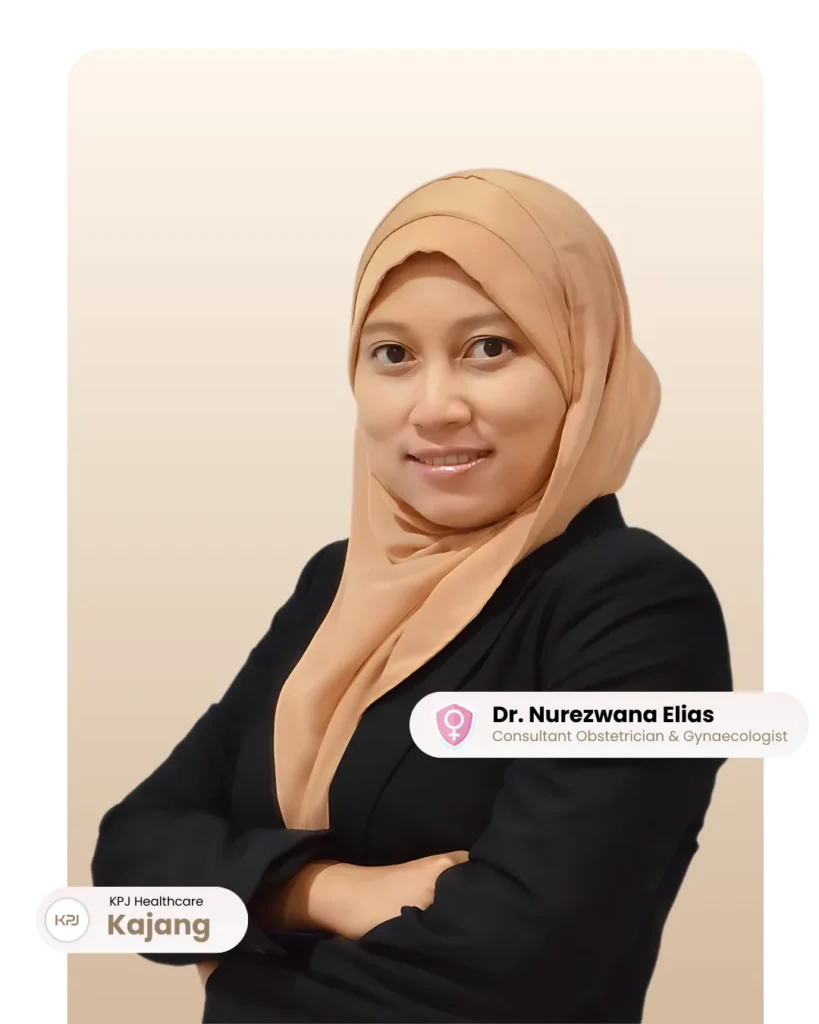
Dr. Nurezwana Elias

Dr. Ezwana Elias is a highly skilled Consultant Obstetrician & Gynaecologist specializing in minimally invasive gynaecological surgery (MIGS) and high-risk pregnancy management. With years of experience and advanced training, she provides patient-centered, compassionate care, ensuring the best outcomes for every woman. Whether it’s routine gynaecology, complex surgery, or maternity care, Dr. Ezwana is committed to excellence in women’s health.

Seraphinite AcceleratorOptimized by Seraphinite Accelerator
Turns on site high speed to be attractive for people and search engines.