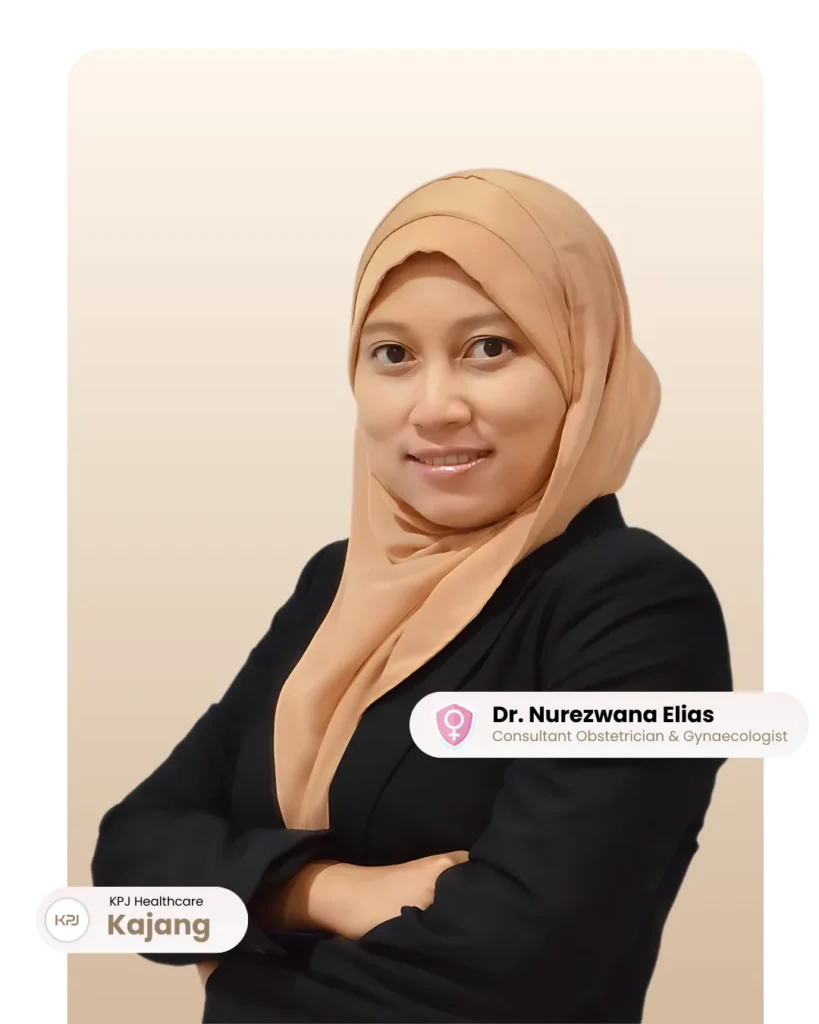
At Dr. Ezwana Clinic, under the expert guidance of Consultant Obstetrician & Gynecologist Dr. Ezwana Elias, we are committed to providing comprehensive care for various uterine conditions, including uterine polyps. Uterine polyps are small, soft growths that protrude from the surface of the lining of the uterus, known as the endometrium. These growths are often described as being grape-like in appearance and can vary in size. While many uterine polyps are benign (non-cancerous), they can sometimes cause a range of symptoms that warrant medical evaluation and treatment.
Uterine polyps can develop for various reasons and may lead to several noticeable changes in your menstrual cycle or overall well-being:
The good news is that the vast majority of uterine polyps are benign and do not pose a risk of cancer. However, because a small percentage of uterine polyps can contain abnormal cells or, in rare cases, show cancerous changes, it is generally recommended that they be removed and examined under a microscope by a pathologist. This process, known as pathology testing, helps to definitively determine the nature of the polyp and rule out any potential malignancy.
At Dr. Ezwana Clinic, we specialize in a minimally invasive procedure called hysteroscopic polypectomy for the safe and effective removal of uterine polyps. This advanced technique allows for both the diagnosis and treatment of uterine polyps in a single, same-day procedure.
Hysteroscopic polypectomy is performed using a thin, telescope-like instrument called a hysteroscope:
Following a hysteroscopic polypectomy at Dr. Ezwana Clinic, most women experience a quick recovery:
If you are experiencing abnormal uterine bleeding, postmenopausal spotting, or have concerns about fertility that may be related to uterine polyps, we encourage you to schedule a consultation with Consultant Obstetrician & Gynecologist Dr. Ezwana Elias at Dr. Ezwana Clinic to discuss your diagnostic and treatment options and receive expert, personalized care.
Taking charge of your health starts here. Dr. Ezwana Elias is ready to provide expert care tailored to your needs
Monday – Friday: 9AM – 5PM
Saturday: 9AM – 1PM
Sunday & Public Holidays: Closed
Microwave ablation is a minimally invasive treatment option that may be considered for selected women with uterine fibroids.

A thorough evaluation and treatment to manage fibroids, relieve symptoms, and improve fertility using minimally invasive techniques.

A surgical technique using small incisions for faster recovery, less pain, and minimal scarring.

A minimally invasive procedure to diagnose and remove ovarian cysts, relieve symptoms, and rule out serious conditions.
A quick, minimally invasive procedure to remove uterine polyps, relieve abnormal bleeding, and improve fertility.

A comprehensive approach to diagnosing and treating endometriosis, relieving pain, and improving fertility through advanced laparoscopic surgery.
Dr. Ezwana Elias is a highly skilled Consultant Obstetrician & Gynaecologist specializing in minimally invasive gynaecological surgery (MIGS) and high-risk pregnancy management. With years of experience and advanced training, she provides patient-centered, compassionate care, ensuring the best outcomes for every woman. Whether it’s routine gynaecology, complex surgery, or maternity care, Dr. Ezwana is committed to excellence in women’s health.

Dr. Ezwana Elias is a highly experienced Gynecologist and Minimally Invasive Gynaecological (Laparoscopy) surgeon.
WhatsApp us