Skip to content
At Dr. Ezwana Clinic, under the expert guidance of Consultant Obstetrician & Gynecologist Dr. Ezwana Elias, we provide comprehensive care for a wide range of uterine conditions, including uterine fibroids. Fibroids, also known as leiomyomas or myomas, are non-cancerous growths that develop in the muscular wall of the uterus. These growths are very common and can vary significantly in size, from being so small they are undetectable to becoming large masses that can alter the size and shape of the uterus. Fibroids can grow inside the uterine cavity (submucosal), within the wall of the uterus (intramural), or on the outer surface of the uterus (subserosal).
It’s important to know that fibroids are incredibly common, affecting as many as 4 out of 5 women at some point in their lives. Many women who have fibroids may never experience any symptoms and only discover them incidentally during a routine pelvic exam or an ultrasound performed for another reason.
Reassuringly, uterine fibroids are not cancerous and do not increase your risk of developing uterine cancer. The development of cancer in the muscle wall of the uterus, called leiomyosarcoma, is extremely rare, occurring in less than 0.3% of uterine growths. However, if a fibroid appears to be growing rapidly, especially in a woman who has gone through menopause, it is important to have it evaluated by a doctor to rule out any potential concerns.
While the exact cause of uterine fibroids remains unknown, several factors are believed to play a significant role in their development and growth:
While many women with fibroids experience no symptoms at all, others may develop a variety of symptoms depending on the size, location, and number of fibroids. Some common symptoms of uterine fibroids include:
Fibroids are more likely to cause noticeable symptoms if they are large, if there are multiple fibroids, or if they are located inside the uterine cavity (submucosal fibroids).
At Dr. Ezwana Clinic, a doctor may suspect the presence of fibroids during a routine pelvic examination if your uterus feels enlarged or has an irregular shape. However, the most common and effective way to confirm the diagnosis of uterine fibroids is through a pelvic ultrasound. This imaging technique uses sound waves to create detailed pictures of the uterus and surrounding pelvic organs, allowing us to clearly visualize the size, number, and location of any fibroids present.
Not all uterine fibroids require treatment. If fibroids are small, not causing any symptoms, and not affecting fertility, Dr. Ezwana Elias may recommend monitoring them with regular check-ups and pelvic ultrasounds to ensure they are not growing significantly.
However, if fibroids are causing bothersome symptoms such as pain, heavy bleeding, or are interfering with fertility, several treatment options are available at Dr. Ezwana Clinic:
While there is currently no medication that can permanently shrink or completely remove fibroids, some medications can help to effectively manage the associated symptoms:
Surgery is currently the only way to completely remove uterine fibroids. Dr. Ezwana Elias may recommend surgery if:
There are different surgical approaches to removing fibroids:
Myomectomy – Removing Fibroids While Keeping the Uterus: A myomectomy is a surgical procedure that removes fibroids from the uterus while leaving the uterus intact. This is often the preferred option for women who plan to have children in the future. Myomectomies can be performed in several ways:
Hysterectomy – A Permanent Solution for Fibroids: A hysterectomy is a surgical procedure that involves the complete removal of the uterus. This provides a definitive cure for fibroid-related bleeding and pain and is an option for women who:
At Dr. Ezwana Elias’ clinic, we understand that every woman’s situation is unique. During a consultation, Dr. Ezwana Elias will:
If you are experiencing symptoms that you believe may be related to uterine fibroids, we encourage you to schedule an appointment with Dr. Ezwana Elias today to discuss your concerns and explore the available treatment options.
Taking charge of your health starts here. Dr. Ezwana Elias is ready to provide expert care tailored to your needs
Monday – Friday: 9AM – 5PM
Saturday: 9AM – 1PM
Sunday & Public Holidays: Closed
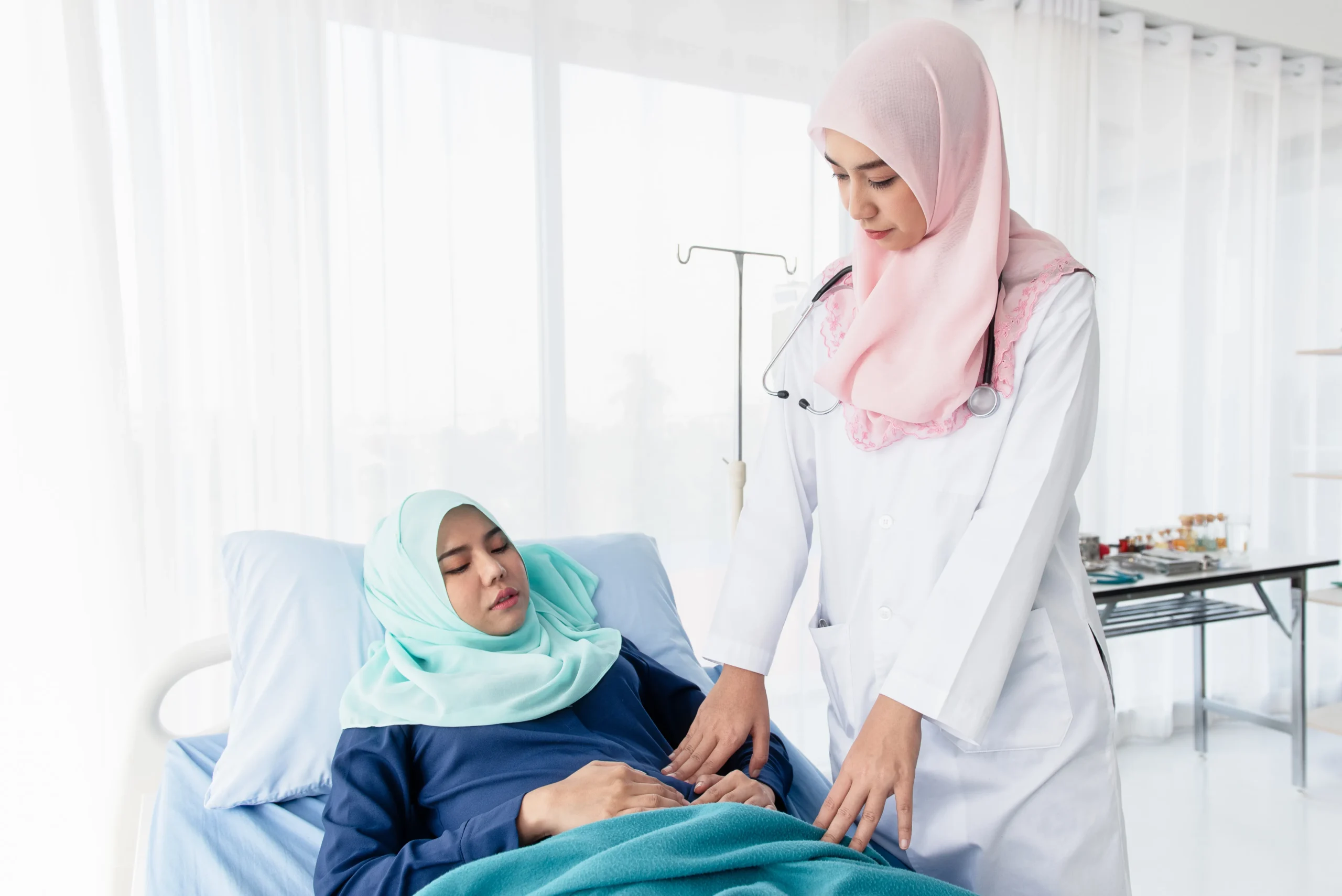
Microwave ablation is a minimally invasive treatment option that may be considered for selected women with uterine fibroids.
A thorough evaluation and treatment to manage fibroids, relieve symptoms, and improve fertility using minimally invasive techniques.

A surgical technique using small incisions for faster recovery, less pain, and minimal scarring.

A minimally invasive procedure to diagnose and remove ovarian cysts, relieve symptoms, and rule out serious conditions.

A quick, minimally invasive procedure to remove uterine polyps, relieve abnormal bleeding, and improve fertility.

A comprehensive approach to diagnosing and treating endometriosis, relieving pain, and improving fertility through advanced laparoscopic surgery.
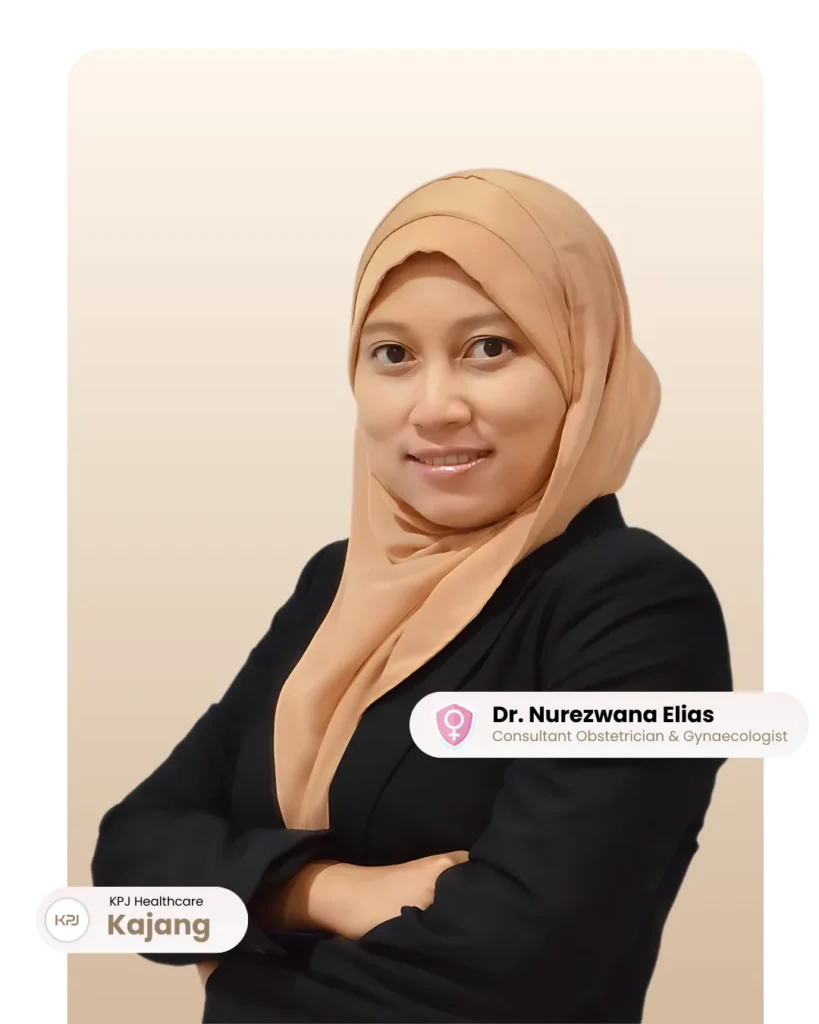
Dr. Ezwana Elias is a highly skilled Consultant Obstetrician & Gynaecologist specializing in minimally invasive gynaecological surgery (MIGS) and high-risk pregnancy management. With years of experience and advanced training, she provides patient-centered, compassionate care, ensuring the best outcomes for every woman. Whether it’s routine gynaecology, complex surgery, or maternity care, Dr. Ezwana is committed to excellence in women’s health.

Dr. Ezwana Elias is a highly experienced Gynecologist and Minimally Invasive Gynaecological (Laparoscopy) surgeon.
WhatsApp us
 Optimized by Seraphinite Accelerator